
The 4+1 Playbook: How a Alternate Dwelling Unit Changes Your Returns
Adding a garden or Alternate Dwelling Unit to a fourplex can lift unit count and income with no extra land. Here’s how the math actually works, and where it doesn’t.
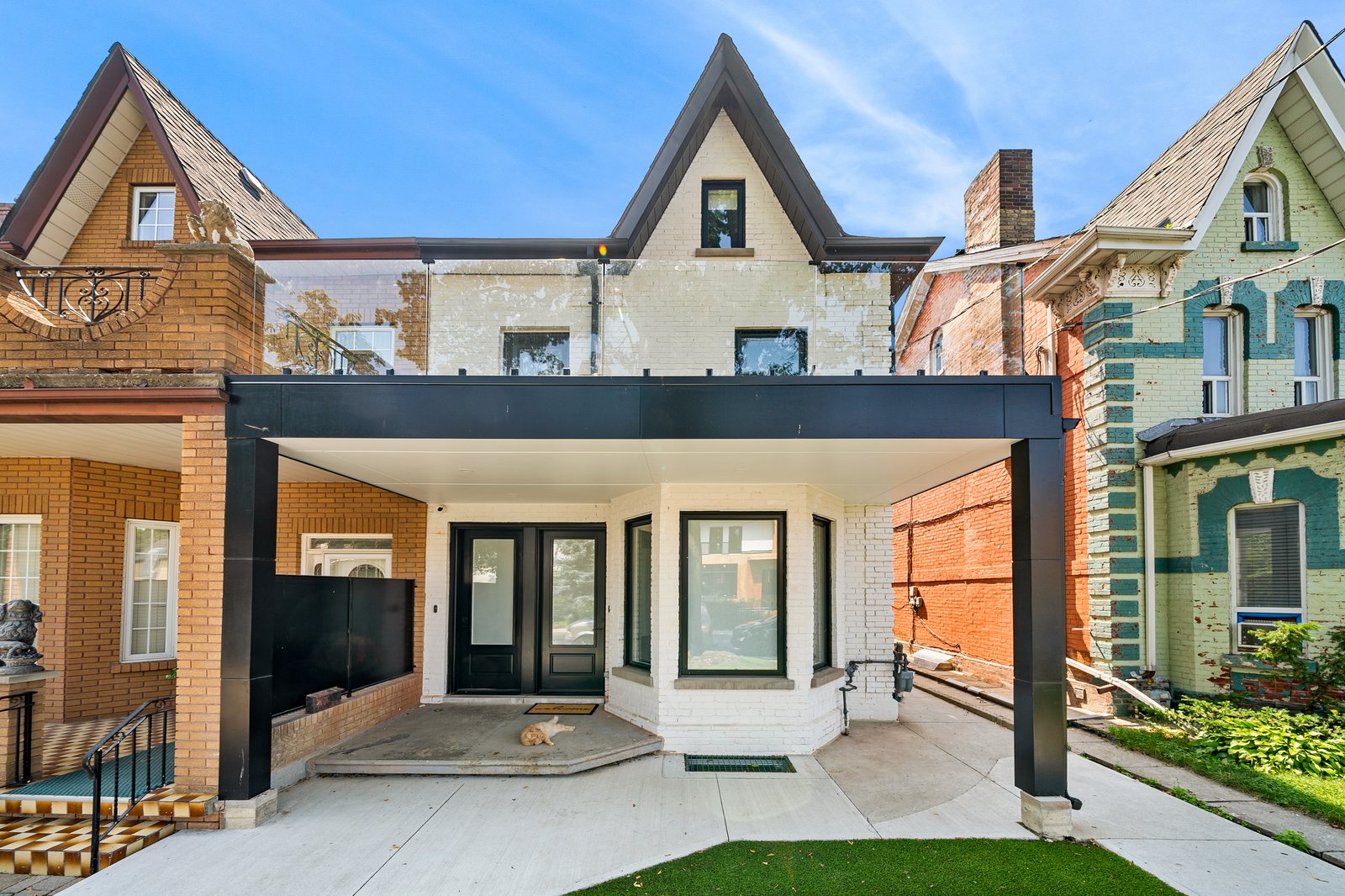
Ask most owners what limits a project and they’ll say land. It’s expensive, it’s scarce, and in Toronto it sets the ceiling on almost every deal. So the most powerful move in small-scale development is the one that adds a rentable home without buying another square foot of dirt: the secondary suite at the rear of the lot.
We call the result a “4+1” or “6+1”, a multiplex plus a detached garden or Alternate Dwelling Unit. The “+1” is where a good deal often becomes a great one.
Why the extra unit punches above its weight
The land is already paid for. The servicing trench is already open. The crew, the permits, and the financing package are already mobilised for the main building. A rear suite layers an additional income stream on top of fixed costs you’ve largely already absorbed. That’s why the incremental return on the “+1” is frequently higher than on any single unit in the main structure.
It also diversifies your tenant base. A self-contained Alternate Dwelling Unit appeals to a different renter than a stacked multiplex unit, a couple, a downsizer, someone who wants a private entrance and a bit of yard. More tenant types means faster lease-up and lower vacancy risk.
The land is the expensive part. The “+1” lets you sell it twice.
Alternate Dwelling Unit vs. Alternate Dwelling Unit
The two are cousins, and which one applies comes down to your property:
- Alternate Dwelling Unit, for lots that back onto or flank a public laneway. Access, servicing, and emergency routing come off the lane.
- Alternate Dwelling Unit, for lots without laneway access. A detached unit in the rear yard, subject to its own setback, angular-plane, and tree rules.
Both add a genuinely independent home. The design constraints differ, but the strategic logic is identical: more doors, same land.
Where the math stops working
A “+1” isn’t free money. It works when the lot has the depth and the rear access to support a quality unit, and when the added construction cost is comfortably outpaced by the added income and value. It does not work when:
- the rear yard is too shallow to hit minimum suite size after setbacks;
- tree protection or grading eats the buildable area;
- servicing the rear unit requires disproportionate utility upgrades.
This is exactly why we underwrite the rear suite as its own line item before anyone commits. If the “+1” doesn’t earn its keep, we say so.
How we’d look at your property
Send us an address. We’ll tell you whether it’s a garden or laneway candidate, roughly how many doors it can carry, and whether the “+1” makes the numbers sing or just adds cost. No obligation, no jargon.